China Travel Safety: What You Actually Need to Know
I walked through Beijing at 2 AM, alone, after getting lost near the hutongs.
Nothing happened. A night market vendor offered me lamb skewers. A security guard pointed me toward the main road.
China is one of the safest countries in the world for tourists. Violent crime against foreigners is extraordinarily rare. But there are things to know—scams, health concerns, and how to handle emergencies.
Here's what actually matters.
The Big Picture
Let's start with reality:
- Violent crime: Extremely rare. Muggings, assaults, and robberies targeting tourists are almost unheard of.
- Petty theft: Low compared to most tourist destinations. Keep valuables secure, but don't be paranoid.
- Scams: This is where tourists get caught. They're annoying, not dangerous.
- Traffic: The most real danger. Cross streets carefully.
- Health: Food and water safety require attention.
You're statistically safer walking around Shanghai at night than most major Western cities.
Scams to Know
Scams are the main "safety" issue tourists face. None are dangerous—just annoying and expensive if you fall for them.
The Tea House Scam
How it works:
- Friendly young people approach you near tourist sites
- They're "students" who want to "practice English"
- They invite you to a "traditional tea ceremony"
- You go to a tea house, drink tea, chat
- Bill arrives: ¥500-2000+ for a pot of tea
- You're pressured to pay
How to avoid: Never accept invitations from strangers to tea houses, restaurants, or bars. Real students don't approach tourists on the street.

The Art Student Scam
How it works:
- "Art students" approach near universities or tourist areas
- They invite you to see their "exhibition"
- Pressure to buy overpriced "art"
How to avoid: Same as tea scam. Polite decline and walk away.
Black Taxis at Airports
How it works:
- Unlicensed drivers approach in arrival halls
- Offer rides at "fixed prices" (actually 2-3x normal)
- May take scenic routes or demand more money
How to avoid: Use DiDi exclusively or the official taxi queue. Never accept solicited rides.
Fake Monks Asking for Donations
How it works:
- People in monk robes approach tourists
- They ask for "donations" or try to give you charms/bracelets
- Then demand payment
How to avoid: Real monks don't approach strangers for money. Walk away.
Overcharging at Markets
How it works:
- Tourist markets quote 5-10x real price
- Sellers expect haggling
- Tourists pay inflated prices
How to handle: Expect to negotiate. Start at 30% of asking price. Walk away if they won't come down. Fixed-price stores avoid this.
Actual Safety Concerns
Traffic
This is the most real danger in China.
What to know:
- Drivers often don't yield to pedestrians
- Electric scooters are silent and fast
- Right turn on red is allowed—watch for cars even at crosswalks
- Buses are aggressive
How to stay safe:
- Wait for green, then look both ways anyway
- Cross with crowds when possible
- Watch for e-bikes on sidewalks
- Don't assume vehicles will stop
Crowded Areas
In crowded metros, train stations, and attractions:
- Keep belongings in front of you
- Be aware of your phone and wallet
- Watch for aggressive pushing (normal, not criminal)
- Secure your bag at security checkpoints
Air Quality
Beijing and some industrial cities have air pollution.
What to do:
- Check air quality apps (AirVisual works)
- Bring N95 masks for bad days
- Limit outdoor activity when AQI exceeds 150
- Most days are fine, especially autumn/winter
Health and Medical
Food Safety
Street food is generally safe if you follow common sense.
Do:
- Eat at busy stalls (high turnover = fresh)
- Eat food cooked hot in front of you
- Peel your own fruit
- Drink bottled water only
Don't:
- Drink tap water (ever)
- Accept ice in drinks (from tap water)
- Eat raw vegetables at questionable places
- Eat from empty stalls with food sitting out

Common Health Issues
Traveler's diarrhea: Possible, especially first few days. Bring Imodium and stay hydrated.
Respiratory issues: Pollution plus dry air in winter. Bring any medications you normally use.
Spicy food shock: Sichuan and Hunan cuisines are extremely spicy. Build up gradually.
Hospitals and Pharmacies
International hospitals: Beijing, Shanghai, and other major cities have international clinics with English-speaking staff. Expensive but comfortable.
Local hospitals: Functional but crowded and mostly Chinese-only. For serious issues.
Pharmacies: Common everywhere. Staff often understand basic English for common medications. Point and translate.
Tip: Bring any prescription medications you need. Getting specific drugs can be difficult.
Travel Insurance
Required for entry and essential for your safety.
Make sure your policy covers:
- Medical treatment
- Medical evacuation
- COVID-related costs
- Emergency repatriation
Healthcare for foreigners can be expensive. Insurance removes the financial stress.
Emergency Numbers
| Service | Number | |---------|--------| | Police | 110 | | Ambulance | 120 | | Fire | 119 |
Note: Operators may not speak English. Use translation apps or have your hotel help.
Embassy Contacts
Keep your embassy contact info saved:
- US: Beijing +86 10 8531 3000
- UK: Beijing +86 10 5192 4000
- Canada: Beijing +86 10 5139 4000
- Australia: Beijing +86 10 5140 4111
Most embassies have 24-hour emergency lines.
Personal Safety Tips
Keep Copies of Everything
- Passport photo page (digital + physical)
- Visa page
- Hotel booking confirmations
- Insurance policy number
- Emergency contacts
- Embassy contact info
Store digitally (cloud + phone) and carry one physical copy.
Stay Connected
- Keep phone charged (power bank essential)
- Know your hotel's Chinese name and address
- Have hotel business cards with you
- Keep VPN working for emergency communication
Trust Your Instincts
China is safe, but:
- Avoid isolated areas at night
- Don't flash expensive items
- Be skeptical of too-good-to-be-true offers
- Walk away from uncomfortable situations
Common Concerns (That Aren't Actually Problems)
"Will I be monitored?"
Cameras exist everywhere. Your internet activity goes through Chinese networks.
Reality: Unless you're doing something illegal, nobody cares about tourists. Use VPN for privacy. Don't do anything you wouldn't do at home.
"Is it safe to use public WiFi?"
Use your VPN. Avoid banking on public networks. Same rules as any country.
"What if I need the police?"
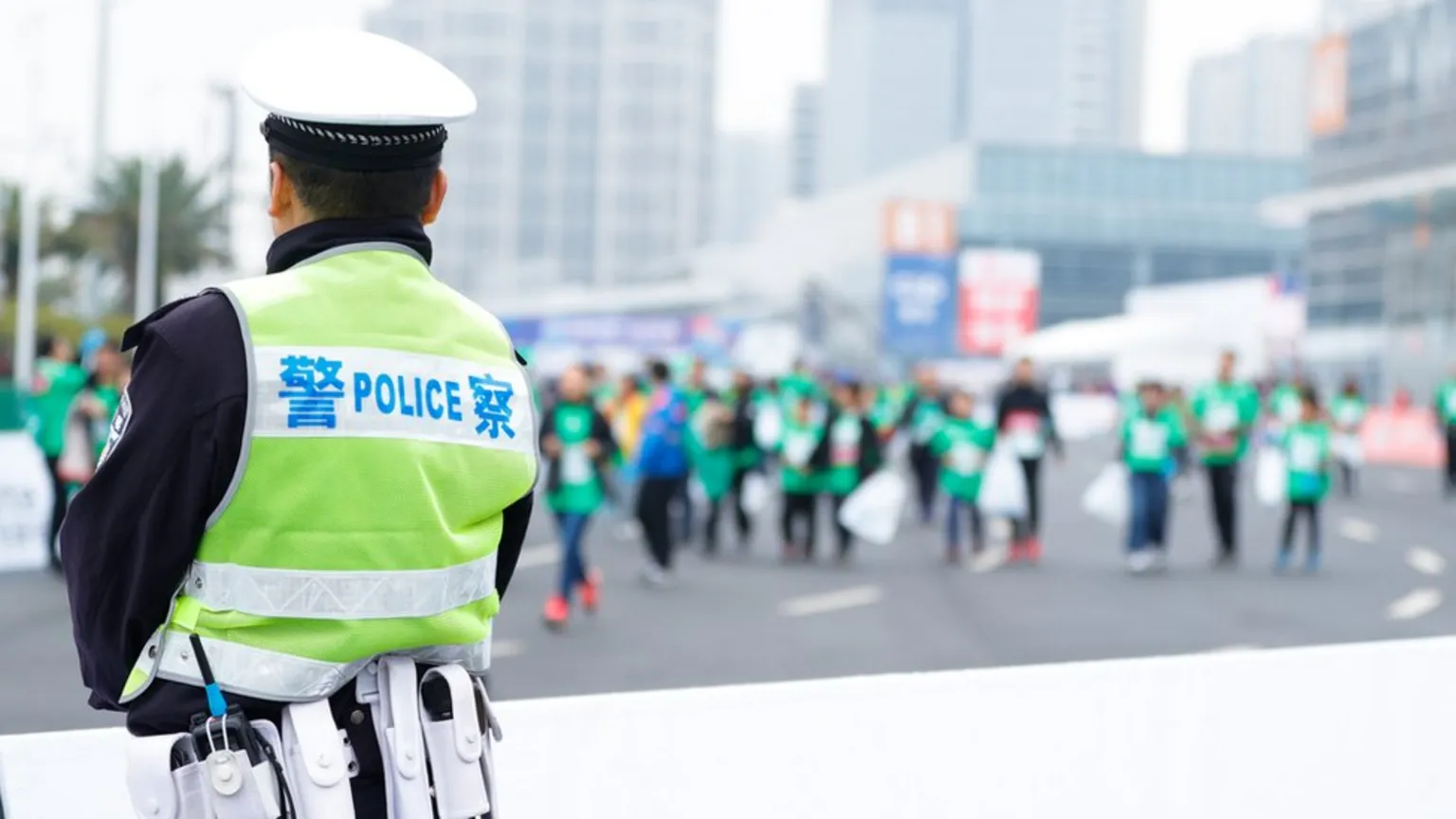
Tourist police exist in major areas and often speak some English. Regular police are professional but may need translation help.
For serious issues, contact your embassy.
"What if I get sick?"
International clinics in major cities handle common issues with English service. For emergencies, hospitals work—translation will be the challenge.
What Actually Went Wrong on Our Trip
In 14 days across four cities:
Minor issues:
- Got lost once (phone GPS fixed it)
- Overcharged once at a market (¥20, realized later)
- One upset stomach (street food related, lasted 1 day)
- VPN failed during important call (switched servers, fixed it)
Serious issues: None
China was among the safest places we've traveled.
Safety Checklist
Before you go:
- [ ] Travel insurance purchased
- [ ] Passport copies saved (digital + physical)
- [ ] Embassy contact info saved
- [ ] Basic medications packed
- [ ] Hotel addresses saved in Chinese
On arrival:
- [ ] Keep passport secure but accessible
- [ ] Get hotel business cards
- [ ] Test emergency calls work
Daily:
- [ ] Phone charged + power bank carried
- [ ] Keep hotel address handy
- [ ] Be aware in crowds
- [ ] Cross streets carefully
If You Need Help
For 24/7 support during your trip—whether it's a health issue, lost item, or just a question at 2 AM—our Guardian package includes WeChat assistance for $19.
Related Guides:
Filed under
Need more than the guide?
This guide covers the basics. If real-world friction shows up, you can compare the support options and choose the level of human backup that fits your trip.